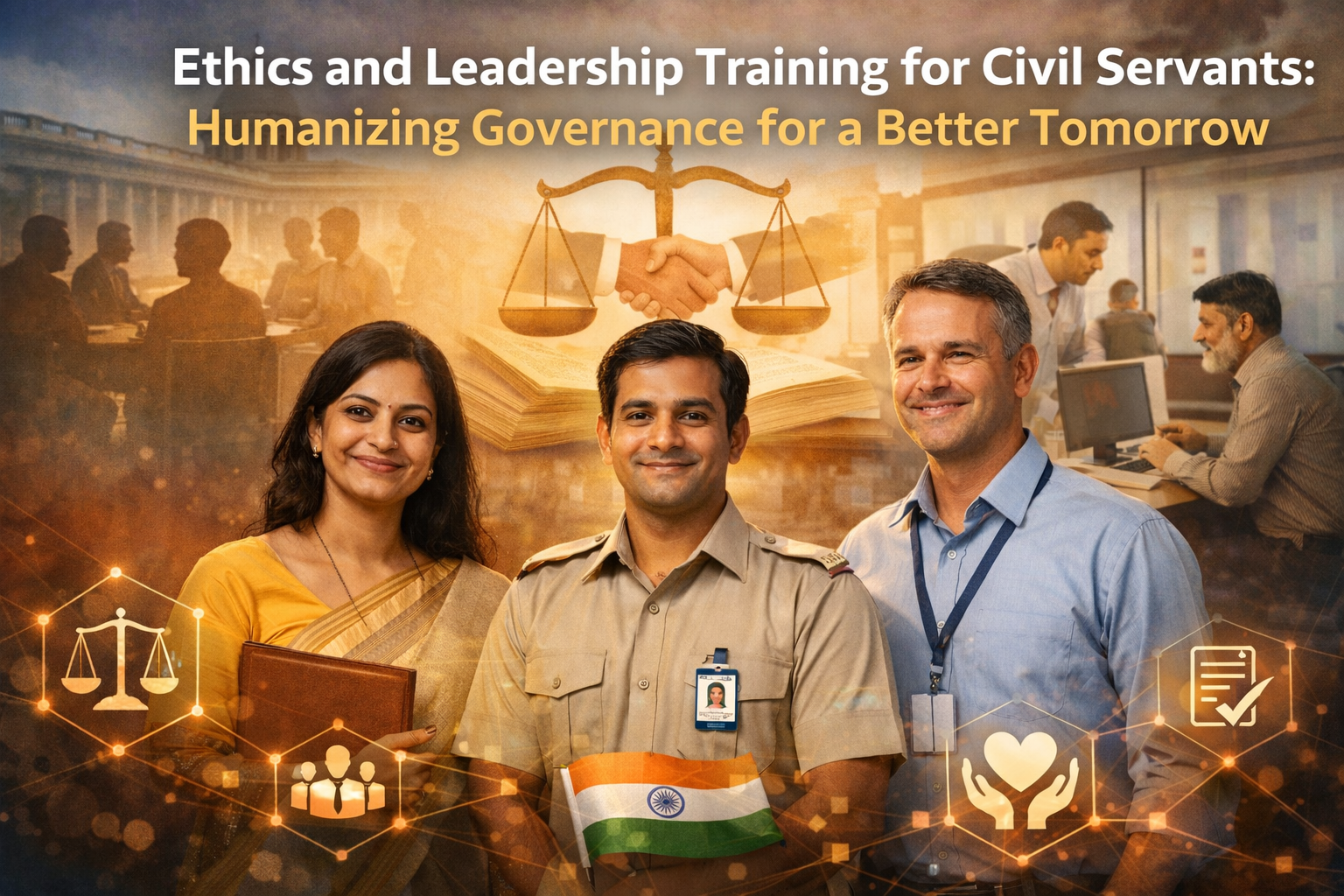
In the intricate machinery of any nation, civil servants are the unsung heroes, the often invisible gears that keep the wheels of progress turning. From the bustling corridors of national capitals to the quiet, dusty offices of remote districts, these dedicated individuals are tasked with translating policies into tangible realities, serving as the crucial bridge between government and its citizens. Their decisions, big or small, touch countless lives every single day. Yet, amidst the complexities of bureaucracy, policy frameworks, and administrative demands, it’s easy for the human element of governance to sometimes get lost. This is precisely where the profound importance of ethics and leadership training for civil servants comes into sharp focus.
Imagine a government where every interaction feels less like a transaction and more like a conversation; where decisions are not just legally sound but also deeply empathetic; where leaders inspire trust, not just compliance. This isn’t a utopian fantasy it’s the attainable goal that robust ethics and leadership training for civil servants seeks to achieve, ultimately humanizing governance for a better tomorrow.
The Bedrock of Trust: Why Ethics Matters More Than Ever
In an age of rapid information flow, heightened public scrutiny, and sometimes eroding trust in institutions, ethical conduct for civil servants is no longer a mere formality it’s the bedrock upon which good governance rests. Ethics and leadership training for civil servants goes beyond teaching rules and regulations; it nurtures an internal compass that guides actions even when no one is watching.
Ethics encompass a spectrum of values: integrity, impartiality, accountability, transparency, compassion, and respect for all citizens. Through such training, civil servants are encouraged to ask themselves:
-
“Is this decision fair?”
-
“Does it genuinely serve the public good?”
-
“Am I treating every individual with dignity, irrespective of their background or status?”
These questions equip officers to navigate the grey areas of governance, resist undue pressure, and make choices that uphold the spirit, not just the letter, of the law.
The ripple effect of ethical civil servants is profound: transparent tender processes build business confidence, impartial officers ensure equal access to services, and compassionate administrators transform routine bureaucratic encounters into moments of genuine help. Each act contributes to a stronger, more cohesive society rooted in trust.
Beyond Management: The Art of Human-Centric Leadership
Leadership in civil service differs from corporate leadership. While both demand strategic thinking and resource management, public service leadership carries the unique weight of societal responsibility. It’s not about profit it’s about people. This distinction underscores why generic leadership programs fall short and why specialized ethics and leadership training for civil servants is indispensable.
Effective training empowers civil servants to be more than managers; it molds them into empathetic leaders who inspire, motivate, and connect. They learn to listen actively, understand the diverse needs of the populace, and foster collaboration both within their teams and with the public.
Key elements of human-centric leadership training include:
1. Empathy and Emotional Intelligence
Understanding and sharing the feelings of others is crucial when dealing with a diverse public. Civil servants often encounter citizens in vulnerable situations, and empathy makes a real difference. Emotional intelligence helps them manage their own emotions while responding thoughtfully to others.
2. Effective Communication
Clear, compassionate communication without bureaucratic jargon is vital. Civil servants learn to explain policies, provide constructive feedback, and de-escalate tense situations effectively.
3. Conflict Resolution
Public service often requires mediating disputes and navigating competing interests. Leaders trained in conflict resolution ensure all voices are heard and outcomes are fair.
4. Building Resilient Teams
Civil servants work under immense pressure. Leaders who prioritize team well-being and development cultivate a motivated, resilient workforce capable of consistently delivering quality public service.
5. Promoting Innovation with a Human Touch
While efficiency is important, true leadership encourages innovative solutions that improve people’s lives. Citizen-centric thinking ensures every initiative addresses real needs effectively.
The Transformative Impact: A Better Tomorrow
When civil servants are consistently trained in ethics and human-centric leadership, governance shifts from being impersonal to responsive, caring, and human-focused.
Imagine a new officer, fresh out of training, encountering a citizen struggling with a complex application. Rather than simply pointing to a form, this officer takes time to explain, guide, and reassure—transforming a frustrating experience into a moment of trust. Multiply this interaction across thousands of offices nationwide, and the impact on public confidence is enormous.
Training also fosters a culture of accountability rooted in commitment rather than fear. Civil servants understand the ethical implications of their actions, take ownership of mistakes, learn from them, and proactively seek solutions. They become problem-solvers, not just process-followers.
Moreover, senior leaders who embody ethical and empathetic principles serve as role models, inspiring junior officers and embedding integrity into the organizational culture. This creates a virtuous cycle where service, trust, and leadership become part of the civil service’s DNA.
Investing in the Future: A Call to Action
Investing in ethics and leadership training for civil servants is not an expense—it’s an invaluable investment in the nation’s future. It’s about building a just, equitable, and humane society by empowering those who serve with competence, character, and compassion.
As societies evolve, the demands on civil servants will only increase. Equipping them with strong ethical frameworks and advanced leadership skills ensures they are not only reactive to crises but proactive in building better communities. Humanizing governance—one trained civil servant at a time creates a future where every citizen feels seen, heard, and genuinely served.
The journey begins with a commitment to nurturing the hearts and minds of those who hold the immense responsibility of public trust. Ethics and leadership training for civil servants is the cornerstone of that transformation.
Final Thought:
At the heart of every thriving society are civil servants who lead with integrity, empathy, and courage. Ethics and leadership training for civil servants does more than sharpen skills—it shapes character, inspires trust, and humanizes governance. When public servants approach their duties not just as jobs, but as opportunities to serve with compassion and accountability, the impact ripples across communities and strengthens the very fabric of the nation. Investing in their growth today is investing in a brighter, fairer, and more humane tomorrow.